 1976
1976Dipl. Ing. A. Kutschelis & Sohn
Technische Lehrmittel Construktion
D- 59425 Unna
Germany
web: http://www.telc.de
mail: mail@telc.de
phone.: +49 (0) 2303 239999
facs: +49 (0) 2303 239990
|
|
|||||||
| printable version | Heat pumps | |||||||
| Heat pump 1000W with reservoir | ||||||||
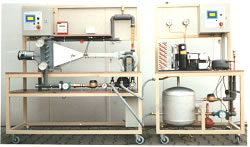
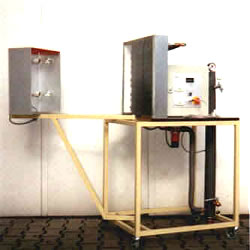
| Heat pumps allow the utilization of free environmental energy. Their build-up is equivalent to a cooling unit. With the help of electric energy they can use existing free environmental energy from wells, soils or ambient atmospere for heating purposes, by pumping it on higher temperature level. The test stand demonstrates practically the dependencies of the thermo-dynamical cycle process. Above photo shows on right heat pump producing hot water for air-heating (Test stand "Fan- and thermic measurements"). | |||||||
Systems:
|
||||||||
Measuring systems: The measuring devices are digitally connected to the internal controller, sending serial data to the comprised portable PC. Stand control and data acquisition can be performed by Windows-software. Measured quantities are:
|
||||||||
Extension: The stand is moveable and can be connected to a warm water consumer like Test stand "Fan and thermic measurements" |
||||||||
Technical details: |
||||||||
|
||||||||
| Heat pump 250W | ||||||||
|
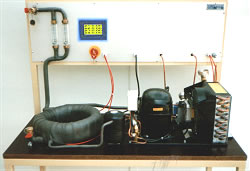
Heat pumps allow the utilization of free environmental energy. Their build-up is equivalent to a cooling unit. With the help of electric energy they can use existing free environmental energy from wells, soils or ambient atmospere for heating purposes, by pumping it on higher temperature level. | |||||||
Systems:
|
||||||||
Measuring systems: The measuring devices are digitally connected to the internal controller, sending serial data to the comprised portable PC. Stand control and data acquisition can be performed by Windows-software. Measured quantities are:
|
||||||||
Extension: The stand is moveable and connectable to Solar collector. |
||||||||
Technical details: |
||||||||
|
||||||||
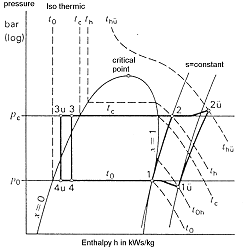
| log p/h diagram of heat pump: | ||||||||
|
qc is the effective heat with the niveau
tc. qo is the for cooling processes usable refrigerating capacity. In the diagram you can see that efficiency E depends on tc and to and on the quality of the plant's devices. This dependency can be shown with this test stand. |
|||||||
| Keywords: Refrigeration, Heat
Pumps, Vapor-Compression, Refrigerator, log p,h-diagram, Refrigerant,
Efficiency, Entropy, Enthalpy, boiling state |
||||||||
 |
||||||||
| ©TeLC Unna 2004 | ||||||||
|
|
|||||||
| printable version | Solar Collector | |||||||
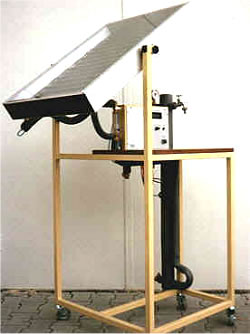
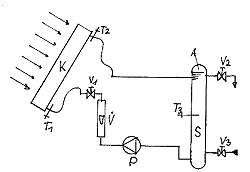
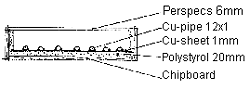
| This test stand implements a solar collector for warm water generation. There are two different versions available: One for natural solar radiation and outdoor use and another for indoor use with artificial radiation. The scheme shows the build-up. T1,T2 and T3 are temperature sensors. Valve V1 controls the water flow-rate. V2 provides water outlet and V3 controls the water supply. The heat-up test demonstrates all influencing variables. The collector size is 0,5 (0,25) m², the flow direction is from down to up. The heated water flows into the accumulator. The pump sucks from the accumulator's bottom and feeds the water through a rotameter into the collector. | |||||||
Systems:
|
|
|||||||
|
Control and measuring systems: The plant comprises usual sensors, connected to a long time data-logger with radio controlled clock. The logger can be connected serially to a PC and the logged and current data can be read out and evaluated with the included Windows-software. Measured quantities are:
|
|||||||
Extensions: Moveable test stand, connectable to Heat pump. |
||||||||
Technical details: |
||||||||
|
||||||||
Keywords: Regenerative Energies,
Weather station, Solar collector, Solar plant, Solar cell, Heat Pump,
Energy conversion, Water, Air |
||||||||
|
||||||||
| ©TeLC Unna 2004 | ||||||||
|
|
|||||||
| printable version | Airpower | |||||||
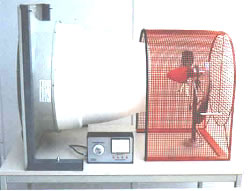
| This wind-power test cell consists of a wind-source and a fully functionable wind power driven generator with multiple airscrews with different properties. The whole issue of energy conversion can be demonstrated. | |||||||
Variable parameters:
|
||||||||
Properties:
|
||||||||
Measuring systems:
|
||||||||
Technical details: |
||||||||
|
||||||||
Keywords: Energy conversion,
Wind generator, Wind channel, Wind tunnel, Wind power, Air, Regenerative
energy, Airscrew, Efficiency |
||||||||
|
||||||||
| ©TeLC Unna 2004 | ||||||||
|
|
||||||||
| printable version | torquemotor-teststand | ||||||||
| | |||||||||
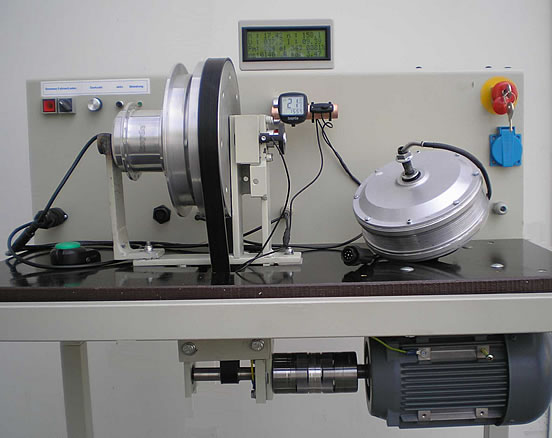
Electrification of vehicle drives is coming up more and more. The battery is the most important object. Till today weight of the enery content is 10 times of that with gasoline. And the costs are a lot. Energy balance is only then ok if charging current is generated by regenerative means. All these developments are going on. If the battery is heavy then the vehicle itself must be eased, new material is being developped for that purpose. | |||||||||
| | |||||||||
| |||||||||
| |||||||||
Build-up:
| |||||||||
| | |||||||||
Technical data of the teststand:
| |||||||||
| |||||||||
The operational functions on the teststand:
| |||||||||
| |||||||||
Experimental possibilities:
| |||||||||
| | |||||||||
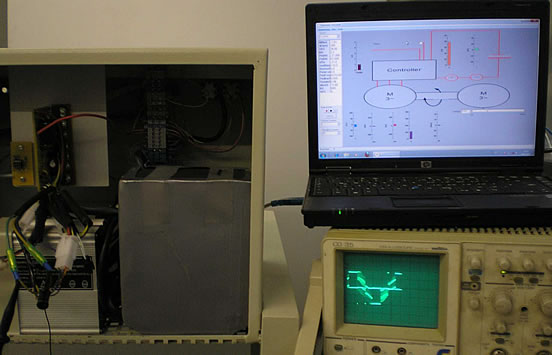
| Discrete Measurement on in- and outputs of the controller Part of the cabinet can be opened from behind. Controller, charger, battery and all connectors are visible and accessable. With help of external measure instruments status, voltages and currents can be measured. | |||||||||
| | |||||||||
| |||||||||
| | |||||||||
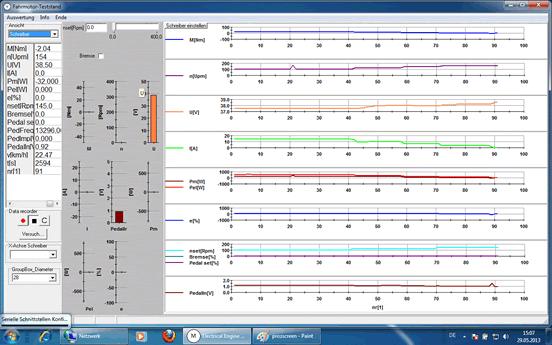
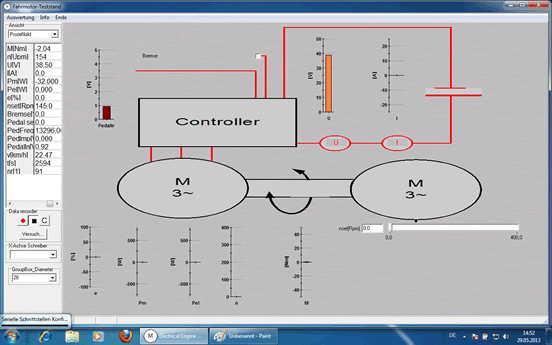
| TeLC software: Acquisition screen as process image or as plotter see below. Included are remote control and switching functions. | |||||||||
| | |||||||||
| |||||||||
| | |||||||||
| |||||||||
| | |||||||||
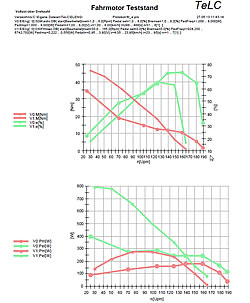
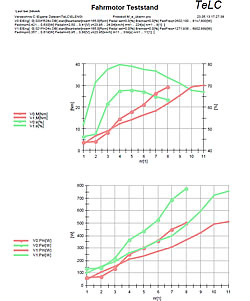
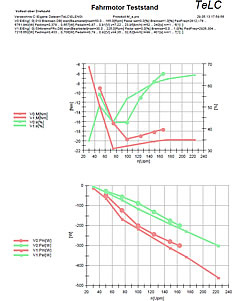
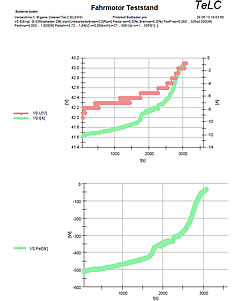
| Reports of some typical tests Multiple data files can be plotted with predefined graphs..Data were concentrated (edited) Tableform data export f.e. to Excell is provided | |||||||||
| please click for download in PDF! | |||||||||
| |||||||||
Stichworte: Motortechnik Übungsstand, Leistungsprüfstand, Motorleistungsprüfstand, Ventilverstellung, Indizieren, Viertakt Motor Modell, Ottomotor Modell, Motorprüfstand Messtechnik, Motorprüfstand Datenerfassung, Verbrennungsprozess, Ventilsteuerung, Druckindizierung, Motorprüfstand, Glaszylinder-Motortechnik-Stand, Megatech, Glaszylinder, variable Ventilsteuerung, 4-Takt-Ottomotor, 4 Takt Motor, 4 Takt Otto Motor, gläserner Zylinder, transparenter Zylinder, Kurbeltrieb, Kolben, Ventile, Zündung, Verbrennung, verschiedene Kraftstoffe, Saugrohr-Einspritzung, Einspritzung, Einspritzmenge, Einspritzzeitpunkt, Einlass, Auslass, Ventilhub, Zeit-Öffnungs-Querschnitt, elektronische Zündung, Kennfeldzündung, Schließwinkel, geregelter Katalysator, Kurbelwellenstellung, Lambda-Sonde, Abgastemperatur, Drehmoment, Motorbetriebszustand, Zünden, Einspritzen, Kraftstoffmenge, Ventilsteuerzeiten, Frühzündung, Spätzündung, Überschneidung, Einlassventil, Auslassventil, Einlaßventil, Auslaßventil, Kennpunkt, Kennfeld, Indizieren, Zylinderinnendruck, Motordrehmoment, angesaugte Luftmenge, Expandieren, Auswerfen, Ansaugen, Verdichten, Warmlauf, Kaltstart, Indikatordiagramm, Vorzündung, gute Gemischbildung, Steuerverfahren, Laststeuerverfahren, Spätes Einlass Öffnen, Spätes Einlaß Öffnen, Spätes Einlass Schliessen, Spätes Einlass Schließen, Wandkondensation, Kraftstoffverbrauch, Kurbelwellenwinkel, Laufgrenze, fett, mager, stöchiometrisches Verhältnis, P/V-Diagramm, Drosselklappe, Gaswechselschleife, Vollast, Teillast, Volllast, Teilllast, Verlustminimierung, Vier-Takt-Motorbremse, Motorbremse, völlig variable Ventilsteuerung, variable Steuerzeiten, Lambda-1-Technik, Magerbetrieb, Leistungssteuerung, Valvetronic |
|||||||||
|
|||||||||
| ©TeLC Unna 2004 | |||||||||